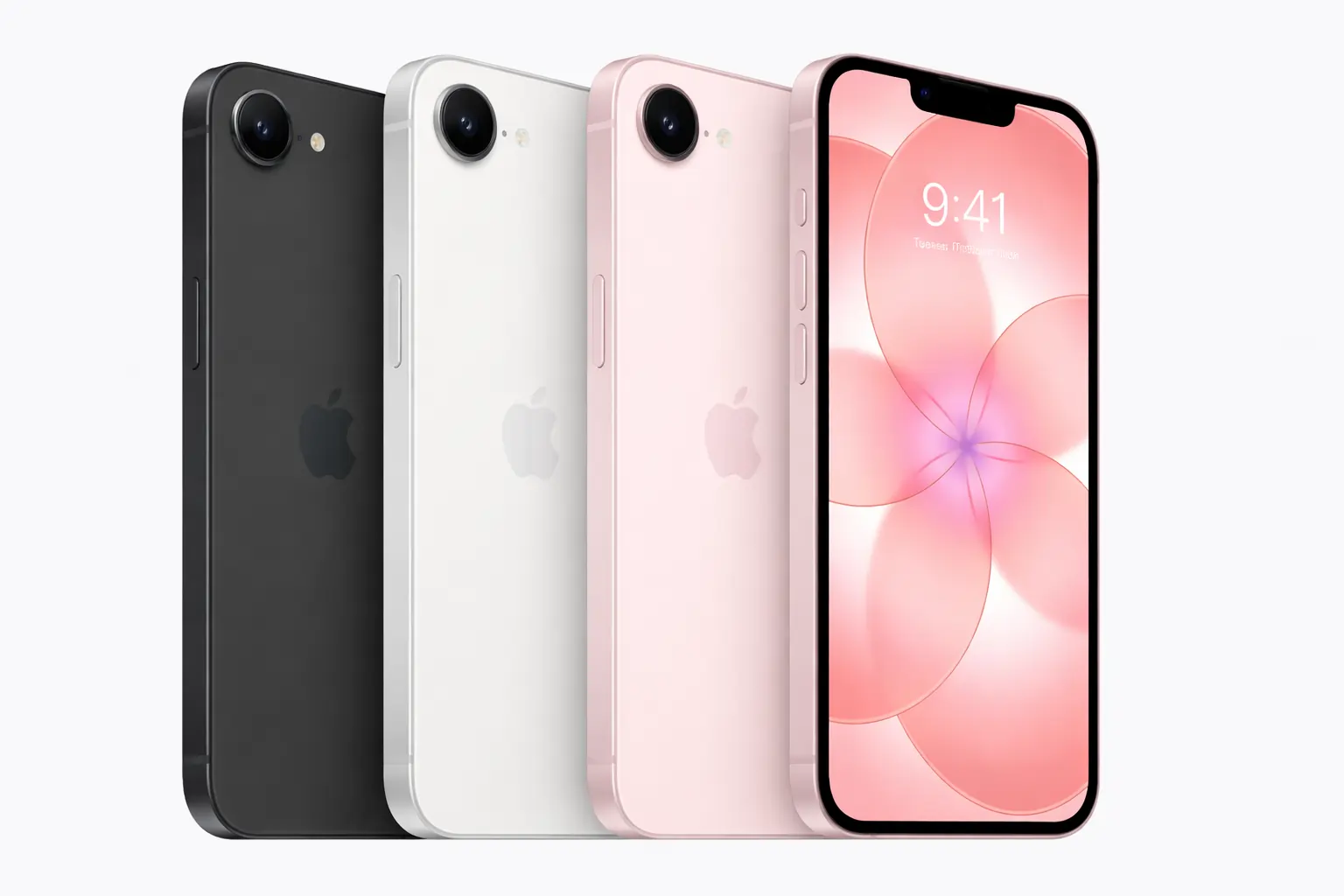
Xiaomi has unveiled its 2026 flagship smartphone at a pivotal moment for the mobile industry. The launch arrives as memory chip prices surge globally, threatening margins across the Android ecosystem and reshaping smartphone pricing strategy for the year ahead.
The Xiaomi flagship launch 2026 introduces a high-end Android device built around Qualcomm’s latest Snapdragon 8-series platform. The company positions the model as its most advanced premium phone to date, with upgraded AI processing, a redesigned thermal system, and expanded memory configurations.
The Xiaomi new smartphone release comes as DRAM price increase trends accelerate. Contract prices for mobile DRAM have climbed steadily over recent quarters, driven by tighter supply and rebounding demand in data centers and AI hardware.
NAND flash price hike pressures are also intensifying. Suppliers have scaled back production after last year’s inventory correction. As demand for high-capacity storage rebounds, chip market volatility has returned to the supply chain.
Xiaomi’s premium phone specs reflect this shift. The device ships with up to 16GB of LPDDR5X RAM and up to 1TB of UFS 4.0 storage. These configurations align with the company’s push into higher-margin segments but expose it directly to semiconductor shortage impact risks.
Industry analysts say the mobile industry supply chain crisis has evolved rather than disappeared. While core logic chips have stabilized, memory remains a constraint. Samsung Electronics and SK Hynix dominate DRAM output. Any production adjustment quickly affects OEM pricing worldwide.
The timing is critical. Global smartphone market trends show modest recovery after two years of contraction. However, smartphone sales forecast 2026 projections remain cautious. Consumer replacement cycles are lengthening, particularly in Europe and parts of Asia.
Xiaomi faces intense Android flagship competition from Samsung’s Galaxy S series and devices from BBK-owned brands such as Oppo and Vivo. In premium tiers, pricing elasticity is narrow. A sharp component cost increase could either compress margins or force retail price hikes.
Xiaomi has not disclosed full pricing across all regions. Executives signaled that maintaining competitive positioning remains a priority. That suggests selective margin absorption in key markets such as China and India.
Investors are watching closely. Xiaomi’s hardware profitability historically lags behind its internet services segment. A sustained DRAM price increase could challenge operating leverage if unit volumes do not scale.
The broader semiconductor shortage impact extends beyond smartphones. AI servers are consuming high-bandwidth memory at record rates. Foundries and packaging facilities are reallocating capacity. This creates indirect pressure on mobile memory supply.
Supply chain executives describe the current environment as structurally different from the 2021 crisis. Inventory discipline is tighter. Manufacturers are reluctant to overproduce. That restraint supports higher average selling prices for memory components.
For consumers, the implications are straightforward. Higher input costs often translate into incremental price adjustments or reduced promotional activity. Flagship smartphones could see narrower discount windows in late 2026.
Xiaomi’s high-end Android device launch also emphasizes on-device generative AI features. These workloads require more RAM and faster storage. That increases per-unit memory content, amplifying exposure to NAND flash price hike dynamics.
Market researchers expect the global smartphone market trends to bifurcate. Premium devices may remain resilient, supported by AI features and improved cameras. Mid-range segments could feel greater pressure if costs cascade downward.
Xiaomi’s leadership argues that vertical integration and diversified sourcing provide flexibility. The company has expanded relationships with multiple memory vendors to mitigate chip market volatility. Still, supplier concentration remains a structural risk across the industry.
The smartphone pricing strategy for 2026 will likely hinge on scale. Brands with stronger global distribution can negotiate better long-term contracts. Smaller OEMs may struggle to maintain competitive bill-of-material costs.
For now, the Xiaomi flagship launch 2026 signals confidence. The company is betting that demand for advanced AI-powered smartphones will offset memory inflation. The risk is that macroeconomic softness intersects with rising component costs.
The coming quarters will test that thesis. If memory chip price surge conditions persist into the second half of 2026, retail pricing across the Android ecosystem could reset higher. That would alter smartphone sales forecast 2026 assumptions and reshape competitive dynamics in the premium tier.
Xiaomi has delivered a technically ambitious device. Whether it can sustain volume growth amid tightening supply chain economics will define its trajectory in the next cycle of the global smartphone market.