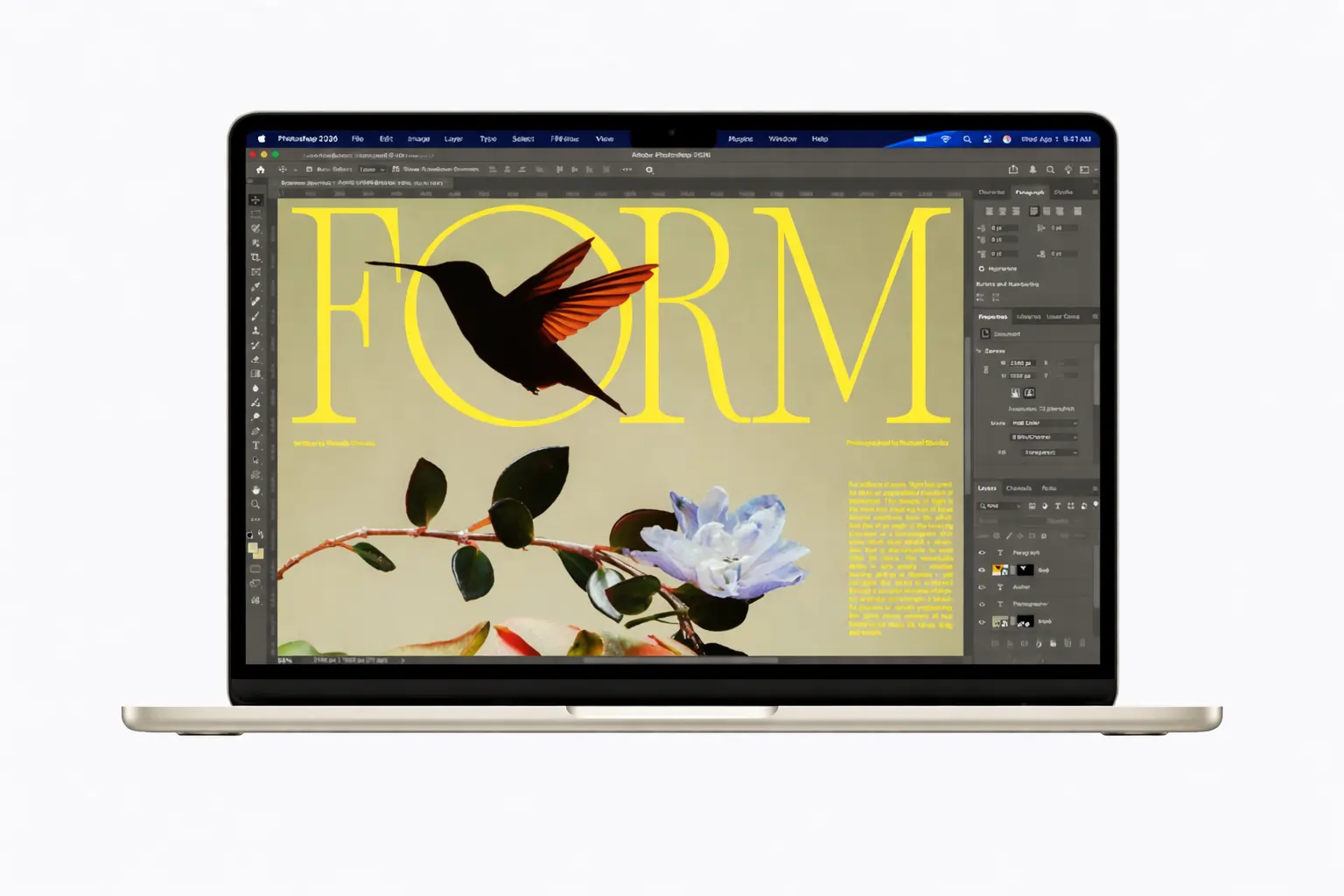
Apple is accelerating its product development cadence at a pace that is beginning to unsettle both loyal users and seasoned industry analysts. The company’s emerging approach — internally likened by observers to a “MacBook Neo” strategy — prioritizes aggressive hardware iteration and silicon performance gains over the kind of software polish that once defined Apple’s reputation. The shift is deliberate. It is also generating serious pushback.
For decades, Apple operated on a principle of controlled restraint. Products shipped when they were ready. Software and hardware matured in lockstep. That discipline built one of the most loyal consumer bases in technology history. Today, that rhythm has visibly changed.
The introduction of Apple Silicon fundamentally rewired the company’s hardware roadmap. The M-series chips — from M1 through the latest M4 Pro and M4 Max configurations — have delivered generational performance leaps that competitors have struggled to match. Benchmark scores consistently place Apple’s silicon among the fastest in the consumer laptop category. Raw processing capability is no longer a credible criticism.
Stability is.
Reports of macOS instability following rapid update cycles have grown more frequent across developer forums, enterprise IT channels, and consumer communities. Bluetooth connectivity failures, display calibration drift, memory management irregularities, and inconsistent wake-from-sleep behavior have been documented across multiple MacBook Pro and MacBook Air generations. These are not fringe complaints. They reflect a systemic pattern that emerges when hardware outpaces the software layer designed to govern it.
The “MacBook Neo” framing — a term circulating in analyst circles and enthusiast communities — captures the tension at the center of Apple’s current trajectory. It describes a product philosophy that emphasizes headline performance metrics and industrial design advancement while treating early adopters as an implicit beta testing pool. Apple has not used this term publicly. The concept, however, accurately characterizes observable release behavior. For deeper historical context on why this pattern recurs, Macworld’s analysis traces this cycle back through five decades of Apple product history — a lineage that reframes the current moment less as a departure and more as a repetition.
“A performance gain of 30 percent means little if macOS update deployments introduce workflow-disrupting regressions.”
Enterprise IT perspective on Apple’s current release cadence
Enterprise adoption is where this tension is most consequential. Corporate IT departments managing large MacBook fleets require stability above all else. Several large organizations have quietly implemented delayed update policies, holding devices on older macOS versions until patch reliability can be verified independently. That is an unusual posture for a platform that markets itself on seamless, trustworthy integration.
The early adopter risk calculus has also shifted. Consumers purchasing new MacBook hardware at launch now face a meaningful probability of encountering software-layer issues that may take two to four months to resolve through incremental point releases. The hardware itself rarely disappoints. The surrounding software ecosystem — encompassing macOS, firmware, peripheral compatibility, and third-party driver support — frequently requires time to stabilize.
Apple’s competitive pressure is real and should not be discounted as context. Microsoft’s Copilot+ PC initiative has injected urgency into the Windows hardware ecosystem. Qualcomm’s Snapdragon X Elite chips have narrowed the performance gap on the ARM architecture front. Google’s ChromeOS momentum in enterprise and education markets continues. Apple is not operating in a vacuum. The accelerated cadence reflects genuine competitive awareness.
Industry analysts remain divided on whether Apple’s current approach represents a strategic miscalculation or a calculated bet on rapid iteration. Those in the latter camp argue that Apple’s installed base is sufficiently loyal to absorb short-term friction, and that the long-term silicon performance advantage justifies temporary software turbulence. Critics counter that brand equity built over decades can erode faster than product cycles can recover it.
The regulatory environment adds another dimension. Antitrust scrutiny in the European Union and the United Kingdom has placed Apple’s ecosystem integration practices under sustained examination. Any perception that Apple is prioritizing product velocity over user experience quality could be cited in proceedings that challenge the company’s control over its hardware-software stack. Compliance obligations are becoming a design constraint as much as an engineering one.
Looking ahead, the next 18 months will test whether Apple can recalibrate. The anticipated MacBook refresh cycle, paired with macOS updates expected to address persistent stability complaints, will serve as a meaningful inflection point. If Apple delivers hardware advancement alongside demonstrably improved software reliability, the “MacBook Neo” narrative will fade. If the pattern persists, it will harden into a reputational liability that no benchmark score can neutralize.
Apple built its technology empire on the promise that its products simply worked. That promise is now under active renegotiation — and the outcome will define the company’s next chapter in personal computing.