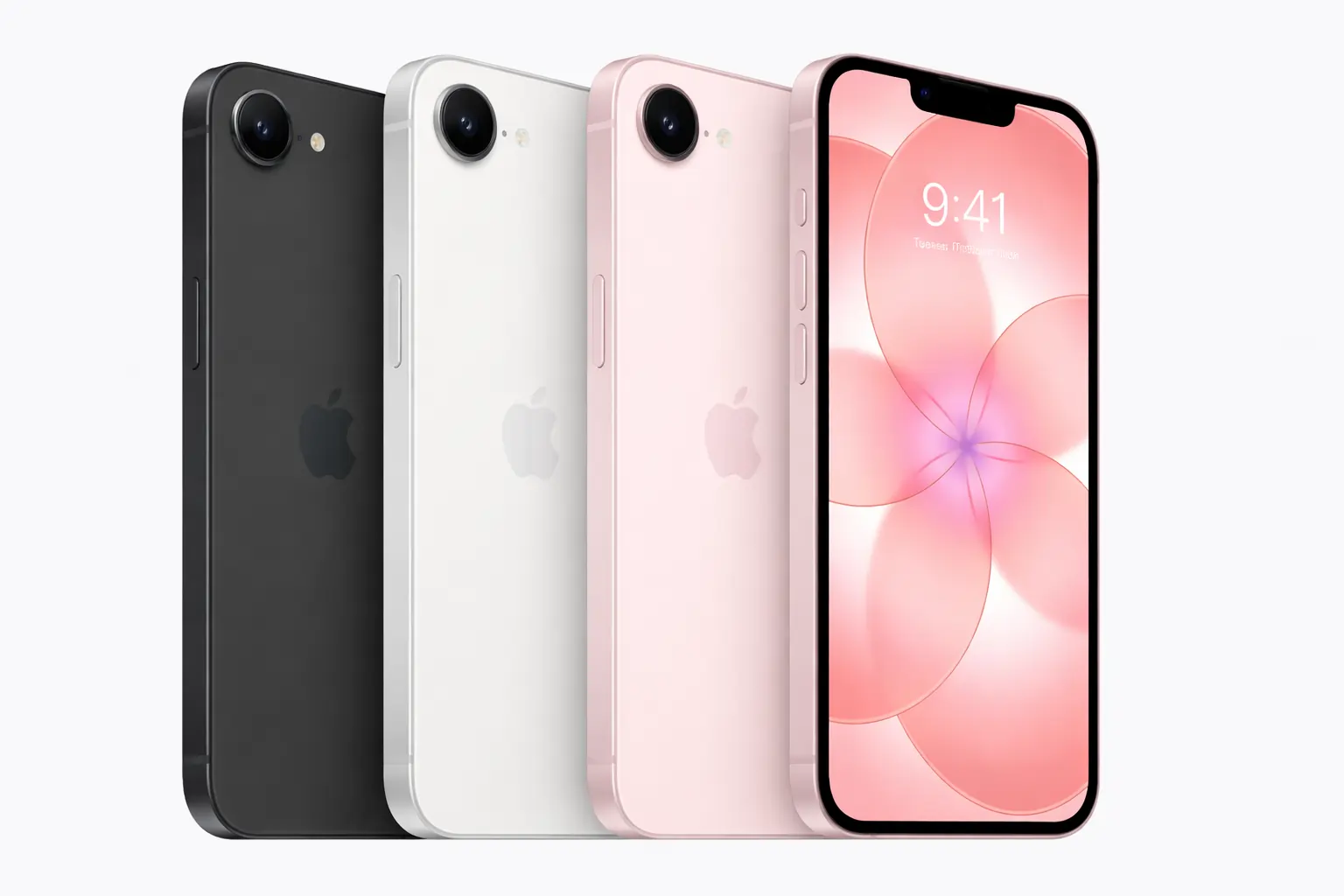
The iPhone 17e release date places it squarely in a competitive window dominated by Samsung’s Galaxy A series and Google’s Pixel A line. Apple’s move reflects a clear recalibration of its entry-premium strategy. This is no longer a stripped-down model. It is a feature-forward device designed to narrow the experiential gap with Pro variants.
At the center is the new A19 chip performance architecture, built on 3nm processor technology. Apple claims measurable gains in efficiency and sustained performance under load. Early benchmarks shared with analysts indicate stronger thermal stability compared with the prior generation’s mid-cycle silicon.
The chip also underpins Apple Intelligence AI performance on-device. Tasks such as real-time transcription, image classification, and contextual Siri processing are handled locally. That reduces cloud dependency and strengthens privacy positioning.
Connectivity receives a notable shift with the C1X cellular modem. This marks Apple’s continued vertical integration of baseband components. The modem supports advanced carrier aggregation and improved power management. If field performance matches Apple’s claims, it could reduce reliance on external modem suppliers over time.
The device introduces a 48MP Fusion camera system, bringing flagship-grade resolution to this segment. Apple pairs it with a 2x Telephoto lens enabled through sensor crop and computational photography. The result is lossless zoom performance in common focal ranges.
Video capture includes 4K Dolby Vision video recording, aligning the 17e with professional-grade content workflows. Creators operating across social platforms will see parity in dynamic range and color science compared with higher-tier iPhones.
The front is anchored by a Super Retina XDR display 6.1-inch panel. Peak brightness levels increase, improving outdoor legibility. Ceramic Shield 2 scratch resistance adds durability improvements that Apple says enhance drop protection and surface resilience.
MagSafe wireless charging returns, alongside Qi2 charging support. This is significant. Qi2 standardization improves accessory interoperability across the broader ecosystem. Apple’s decision reinforces its influence over emerging wireless charging protocols.
Battery endurance benefits from iOS 26 battery optimization. Combined with the A19’s efficiency gains, Apple projects all-day usage under mixed workloads. USB-C fast charging replaces legacy connectors, aligning with global regulatory pressure and unifying Apple’s cable ecosystem.
Security remains anchored by Face ID security hardware. Apple continues to avoid in-display fingerprint sensors, emphasizing its biometric confidence. The inclusion of an Action button features programmable shortcuts previously limited to premium tiers, signaling feature democratization across the lineup.
Storage starts at 256GB base storage. That is a calculated response to increasing media file sizes driven by 4K capture and AI workloads. It also mitigates criticism around low entry storage tiers.
The iPhone 17e maintains IP68 water and dust resistance. It supports Apple satellite features Emergency SOS, extending safety tools to more users. Satellite connectivity has evolved from niche to mainstream expectation in premium smartphones.
The Apple iPhone 17e price was not positioned as budget. Instead, it undercuts Pro models while offering near-flagship silicon and camera performance. This pricing architecture pressures Android OEMs operating in the $600–$800 band.
From a portfolio perspective, the iPhone 17 family lineup now spans clearer segmentation. Pro models differentiate on advanced optics and display refresh rates. The 17e focuses on performance-per-dollar efficiency.
Industry analysts view the 17e as a margin-protection play. By elevating baseline specs, Apple reduces incentive for consumers to delay upgrades. It also strengthens retention within its services ecosystem, where recurring revenue remains critical.
There are risks. Expanding high-end components into lower tiers compresses differentiation. If consumers perceive limited advantage in upgrading to Pro models, average selling prices could face pressure.
Yet the broader strategy appears cohesive. Apple continues to integrate silicon, modem technology, AI acceleration, and services. The 17e functions as both hardware product and ecosystem gateway.
For consumers, the equation is clear. Flagship-level imaging, AI acceleration, MagSafe compatibility, and satellite safety tools are no longer exclusive to the highest tier.
For competitors, the message is sharper. The mid-premium smartphone category is no longer defined by compromise.
The iPhone 17e signals Apple’s intent to defend volume without conceding technological leadership. March 11 availability will test whether the company has correctly calibrated performance, price, and positioning in an increasingly saturated global market.