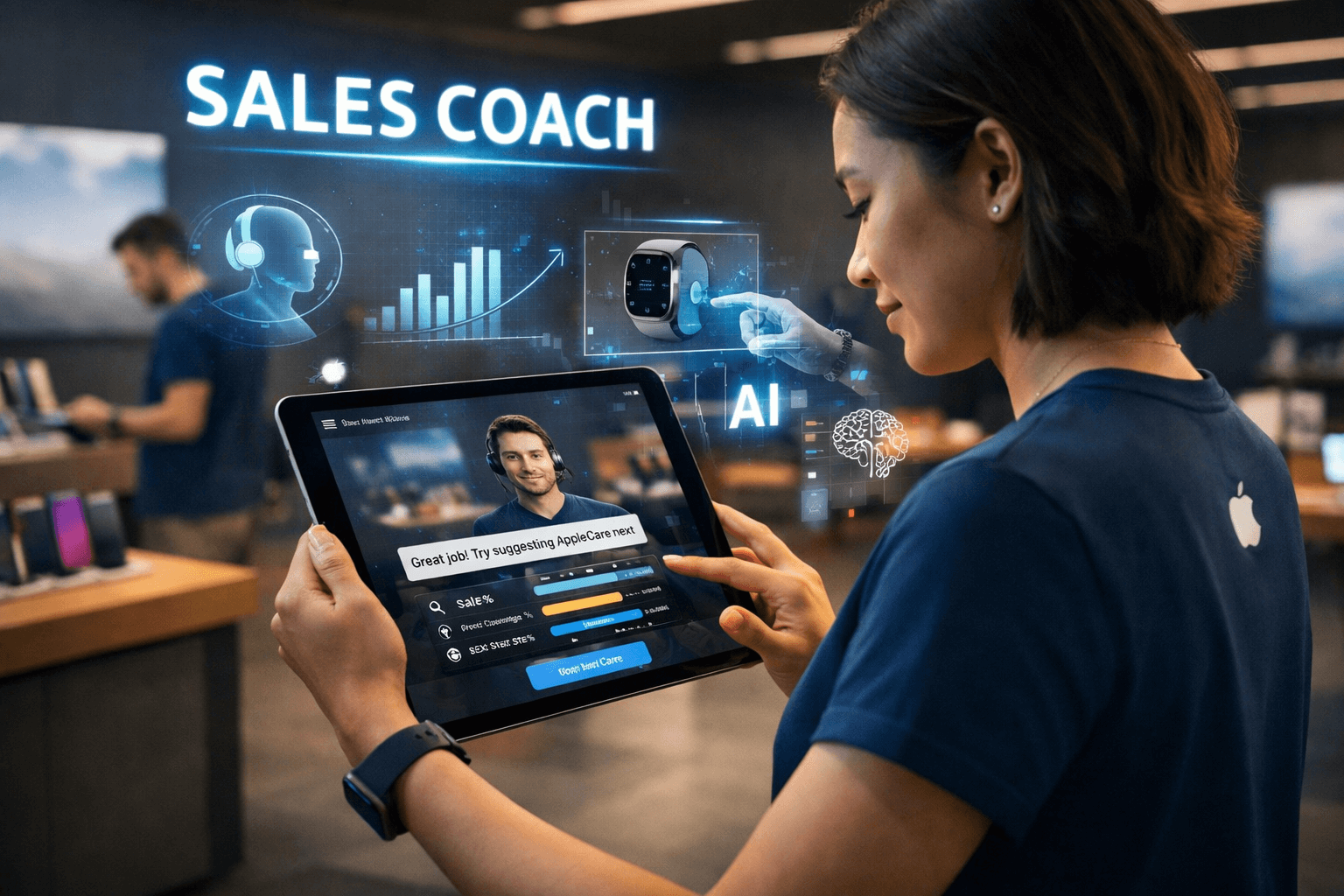
On a typical day inside an Apple Store, the air hums with a specific kind of energy—a blend of minimalist design and high-stakes customer service. Now, Apple is injecting that energy with a dose of artificial intelligence.
The company has quietly begun rolling out a new internal tool for its retail workforce called Apple Launches New ‘Sales Coach’ App: AI-Powered Tool Aims to Revolutionize Retail Training. It’s not a customer-facing product, but it might just change how you experience that blue-shirted interaction the next time you walk in to buy a MacBook or troubleshoot an iPhone.
For years, Apple retail has been the gold standard for customer experience. But behind the Genius Bar and the product tables, training hundreds of thousands of employees globally is a logistical mountain. The old method involved manuals, shadowing, and periodic workshops. The new method, powered by AI, lives entirely in the pocket of every Apple employee.
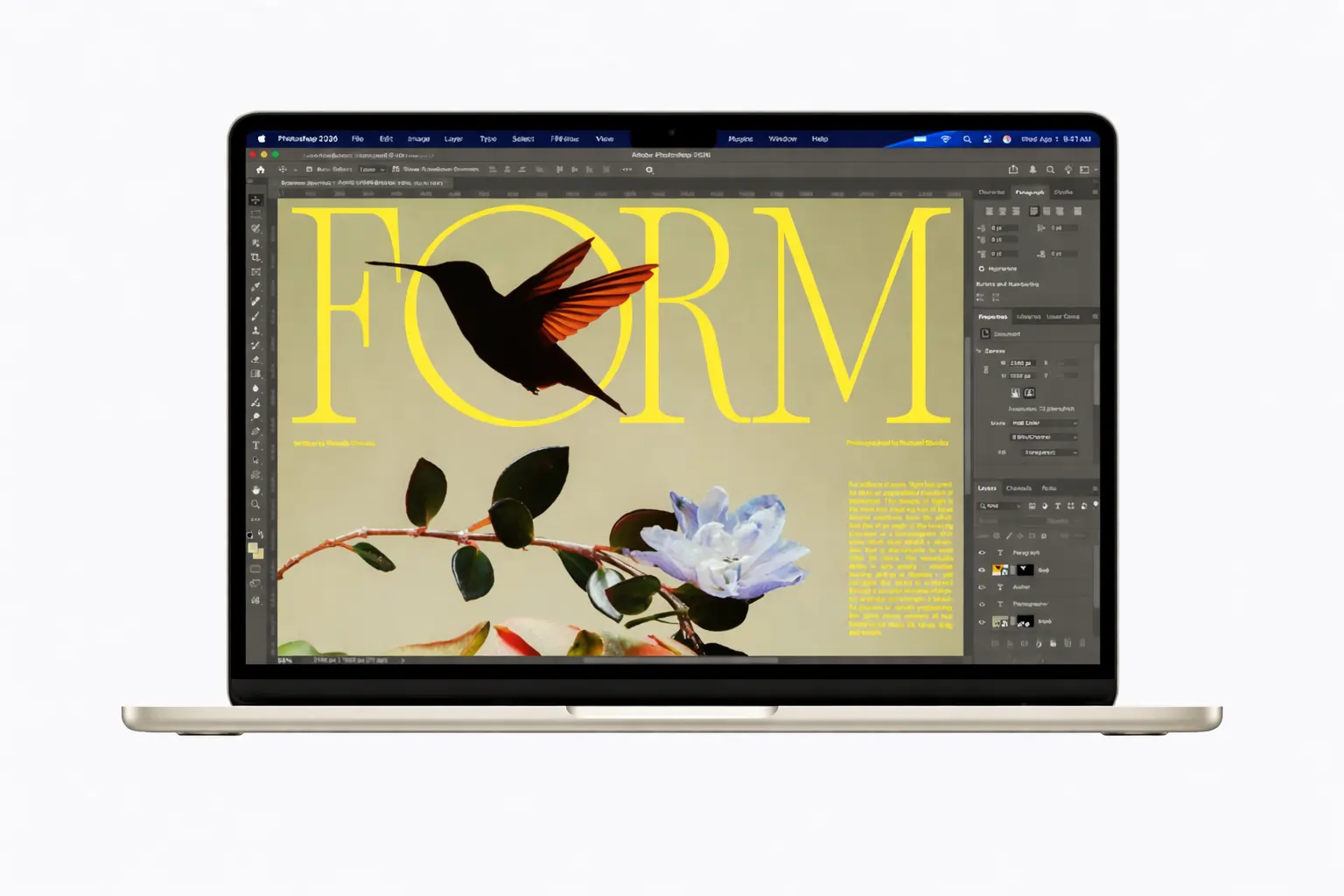
Think of this not as a glorified quiz app, but as a mobile sales enablement engine. When an employee clocks in, the app serves up micro-lessons tailored to the day’s expected foot traffic, new product launches, or even the specific demographics of that store’s neighborhood. If a new MacBook Pro drops, the sales training software doesn’t just give the employee specs; it runs them through conversational simulations.
This is where the “AI Sales Coaching” comes to life. The app can simulate a customer conversation. Imagine a scenario: a customer walks in, frustrated their old laptop is slow, but they’re on a tight budget. The employee, through the app, practices navigating that tension. The AI listens (via text input) to their responses and scores them not just on accuracy, but on empathy and problem-solving. It’s like having a master trainer standing behind you, whispering advice, but it’s available at 2 a.m. or during a quiet moment on the sales floor.
This shift toward an interactive learning platform signals a massive change in how we think about “work” in the physical retail space. Historically, retail gigs were high-turnover, with training often treated as an afterthought. Apple is betting that smarter, more confident employees stay longer and sell better. By embedding this employee onboarding app directly into their workflow, they’re essentially turning every shift into a learning opportunity.
The implications for retail sales techniques are profound. Instead of memorizing a script, employees are trained to read context. The app might highlight that a customer looking at an Apple Watch is often interested in fitness integration, not just telling time. It nudges the employee to ask about workout habits. This isn’t about being pushy; it’s about being relevant. It’s the difference between a sales pitch and a helpful conversation.
Apple is also leveraging its hardware ecosystem here. While the core of the app is text and video-based, there are whispers of deeper integration. Sources familiar with the tool suggest that future updates could utilize the iPhone’s camera for augmented reality training—allowing an employee to visualize where a new HomePod setup would go in a customer’s home, right there on the showroom floor.
For the customer, this means the death of the blank stare. You know the one—when you ask a complex question about data migration or compatibility, and the employee has to run to the back to ask a manager. With this Apple business tools initiative, the answer—or at least a highly probable solution—is in their hand instantly. The AI acts as a second brain, cross-referencing known issues with real-time inventory and your specific query.
But let’s talk about the bigger picture here. Why does this matter beyond the walls of the Apple Store? Because Apple Launches New ‘Sales Coach’ App: AI-Powered Tool Aims to Revolutionize Retail Training sets a new bar for the entire service economy. If the world’s most valuable company is betting that AI can make human interactions better—not replace them—it validates a massive investment in what we call “augmented work.”
We are moving toward a reality where your barista, your bank teller, and your electronics advisor are all backed by a sales performance management system that levels up their expertise in real-time. The stigma of asking “dumb questions” disappears for the employee, because the AI handles the knowledge recall, freeing the human to focus on the emotional connection—the eye contact, the empathy, the smile.
There is, of course, the specter of data. For this to work, the AI must learn. Every interaction an employee has with the app—every wrong answer, every successful simulation—feeds the machine. Apple, a company that built its brand on privacy, is now collecting hyper-specific data on how its own staff learns and sells. Internally, this is framed as performance enablement. Externally, it raises the question: how long until this coaching data informs promotions, or terminations?
For now, the focus is on empowerment. Early feedback from retail staff involved in the pilot program indicates a reduction in “imposter syndrome”—that feeling new hires get when they’re suddenly facing a sea of customers with questions they don’t know how to answer. By gamifying the learning and making it continuous, the pressure valve is released.
Ultimately, this is Apple recognizing that its physical stores are its beating heart. In an era of e-commerce dominance, the Apple Store remains a destination. By arming its staff with an invisible AI co-pilot, Apple isn’t just launching a new app; it’s re-engineering the human element of its business. The next time you get a solution to a problem you didn’t even know how to articulate, you’ll know why. The coach was in their pocket the whole time.