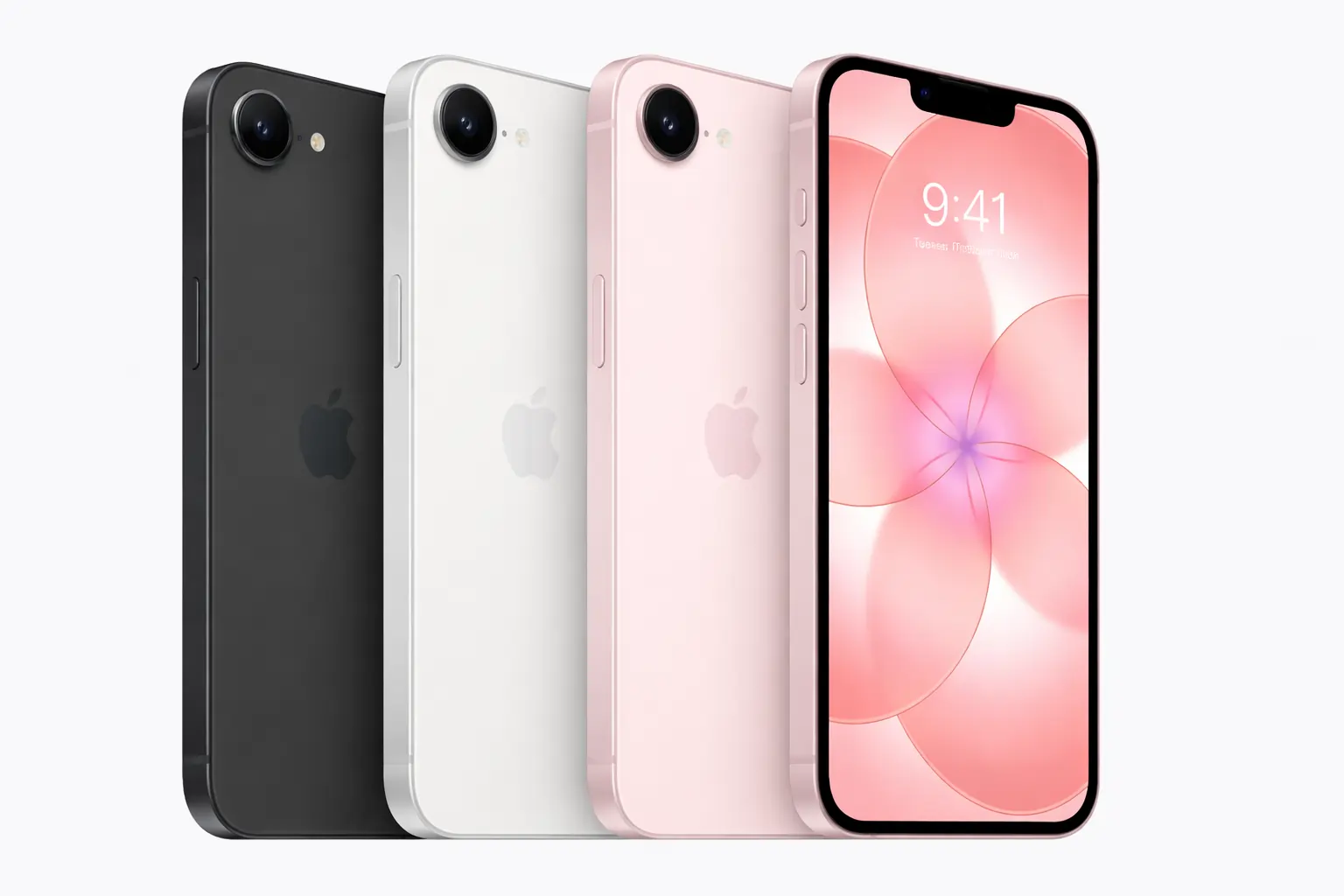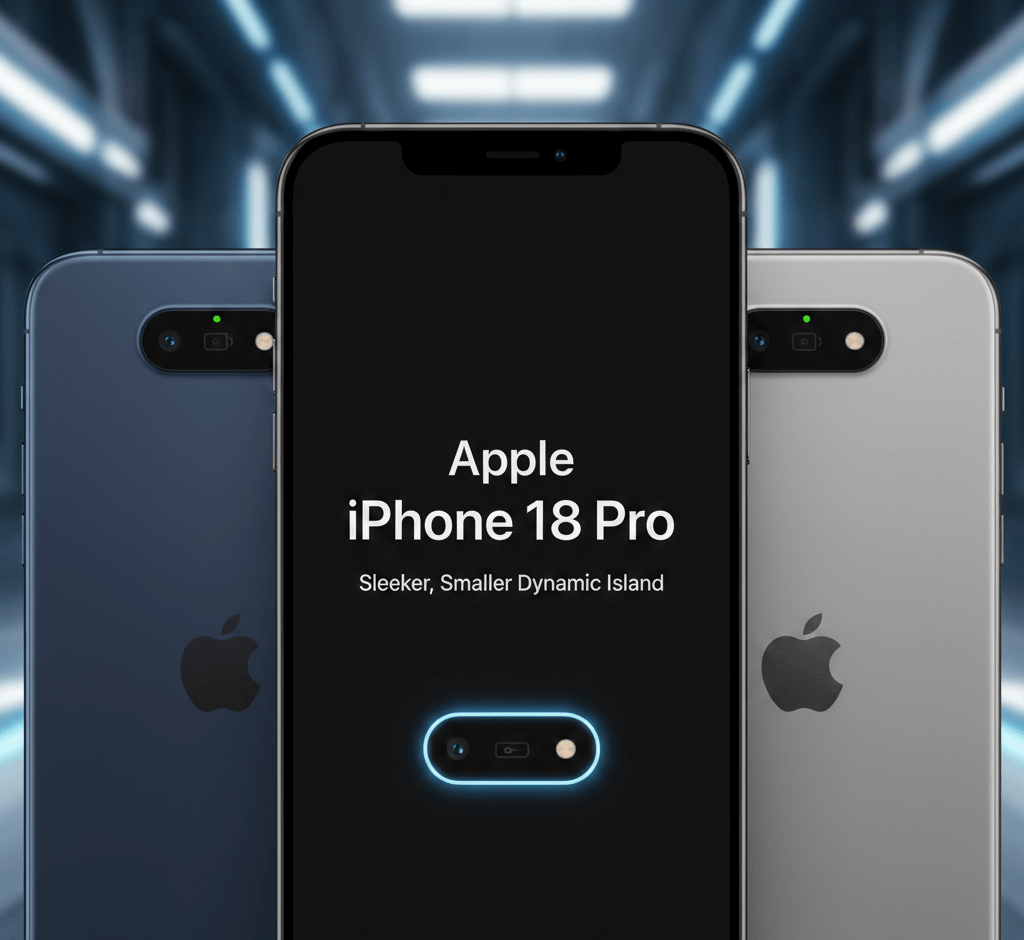
Apple’s 2026 flagship iPhones may take a decisive step toward a cleaner front design. Multiple supply chain sources and early component chatter suggest the iPhone 18 Pro lineup could debut a smaller Dynamic Island feature, signaling the company’s most significant display refinement since the notch was retired on Pro models.
The development centers on the iPhone 18 Pro and iPhone 18 Pro Max, expected as part of the Apple flagship iPhone 2026 cycle. If accurate, the change would mark a meaningful Apple Dynamic Island update rather than a cosmetic tweak.
The Dynamic Island, introduced on the iPhone 14 Pro, replaced the traditional notch with a pill-shaped cutout integrating system alerts and Live Activities. It was both a hardware workaround and a software innovation. However, it still consumes visible screen real estate.
Current iPhone 18 Pro design leaks indicate Apple is testing a narrower pill structure combined with reduced sensor footprint. Engineers are reportedly exploring tighter packaging for Face ID components and a more compact iPhone 18 Pro front camera cutout.
The shift is closely tied to progress in Face ID under-display technology. While full under-display Face ID may not yet be production-ready at scale, incremental sensor miniaturization appears feasible. Industry analysts believe Apple is balancing optical performance, infrared accuracy, and yield rates before eliminating the cutout entirely.
An Apple OLED display upgrade is also in play. Suppliers in South Korea are said to be evaluating advanced LTPO panels with improved aperture integration. These panels could allow greater pixel density around sensor areas without visible distortion.
For consumers, the most visible result would be a higher iPhone 18 Pro screen-to-body ratio. Even marginal gains matter at the premium tier. Display aesthetics remain a core differentiator in the ultra-competitive flagship segment.
The iPhone 18 Pro Max display design could see the biggest visual impact due to its larger panel surface. A smaller interruption at the top would create stronger visual symmetry. That matters for media consumption, gaming, and augmented reality use cases.
The redesign also aligns with Apple’s long-term notch strategy. The original notch debuted on the iPhone X and defined iPhone identity for years. The transition to Dynamic Island was phase one. Shrinking it is phase two. Full sensor invisibility remains phase three.
Industry observers caution that iPhone 18 Pro rumors 2026 are still early. Apple typically locks display architecture roughly 12 to 18 months before launch. If suppliers are now validating components, a late 2026 release window remains plausible.
The iPhone 18 Pro release date is expected in September 2026, following Apple’s standard cadence. Mass production decisions would likely be finalized by early that year.
Beyond aesthetics, iPhone 18 Pro hardware upgrades are expected to include a next-generation A-series chipset built on an advanced 2nm or refined 3nm node, depending on foundry readiness. Improved neural processing and on-device AI acceleration are anticipated, particularly as generative AI features become standard across iOS.
The display refinement could also improve structural durability. A smaller cutout reduces stress points in the upper display assembly. That may enhance drop resistance and long-term panel stability.
From a competitive standpoint, the move is strategic. Chinese OEMs such as and have already commercialized under-display camera systems, though often with image quality trade-offs. Apple historically prioritizes performance consistency over speed to market.
Investors will view the redesign through a revenue lens. Hardware-driven upgrade cycles remain critical as smartphone growth plateaus globally. A visible design shift can accelerate replacement demand, particularly in high-margin Pro models.
There are risks. Under-display or reduced-aperture Face ID systems must maintain Apple’s biometric security benchmarks. Any compromise in authentication speed or accuracy would be unacceptable for a device positioned at the top of the market.
Regulatory scrutiny could also intensify if biometric systems become less visible. Transparency in hardware design has been a consumer trust factor since Face ID launched. Apple will need to ensure compliance and user confidence remain intact.
The broader significance lies in next-generation iPhone display innovation. Apple is incrementally moving toward a seamless glass slab. Each iteration narrows the visual compromise required for advanced sensors.
If the iPhone 18 Pro Max specs leak proves accurate, the 2026 lineup may represent the most refined front design in iPhone history. It would not be revolutionary. It would be evolutionary. But in a mature smartphone market, disciplined evolution drives sustained dominance.
Apple has not confirmed any changes. Yet the direction is consistent with its long-term hardware roadmap. A smaller Dynamic Island would be more than a design tweak. It would be a calculated step toward an uninterrupted display future.